एक कॉम्पैक्ट स्ट्रीट स्वीपर उन शहरी सफाई टीमों के लिए एकदम सही समाधान है जिन्हें संकरी सड़कों, फुटपाथों, पार्कों, परिसरों और अन्य व्यावसायिक क्षेत्रों में पेशेवर सफाई करनी होती है, जहां नियमित सड़क सफाई ट्रक बहुत बड़ा होता है। सबसे अच्छे कॉम्पैक्ट स्ट्रीट स्वीपर बहु-कार्यात्मक मशीनें होती हैं जो ब्रश और वैक्यूम के साथ-साथ धूल को दबाने के लिए पानी से भी लैस होती हैं। इसके अलावा, ये तेज मोड़ लेने में सक्षम और चलाने में आसान होनी चाहिए। नगरपालिका की सड़क सफाई, साइकिल पथ के रखरखाव और साल भर शहरी रखरखाव के लिए उपयुक्त, यह स्वीपिंग, हाई-प्रेशर वॉशिंग, सैनिटेशन और बर्फ हटाने के लिए कई तरह के अटैचमेंट को सपोर्ट करता है। नगरपालिका सफाई टीमों के साथ-साथ सुविधा प्रबंधकों के लिए असली लाभ यह है कि प्रत्येक सफाई के बाद न्यूनतम व्यवधान, कम शोर और कम मैनुअल सफाई कार्यों के साथ एक साफ-सुथरा सार्वजनिक क्षेत्र या परिसर मिलता है।
आधुनिक शहरी सफाई के लिए कॉम्पैक्ट स्ट्रीट स्वीपर क्यों उपयुक्त है?
शहरी सफाई का तरीका बदल गया है। शहरी इलाकों के सबसे गंदे हिस्से हमेशा चौड़ी सड़कें ही नहीं होतीं। फुटपाथों पर धूल जमा हो जाती है, पैदल चलने वालों के रास्तों में पत्तियां, पार्किंग क्षेत्रों के कोनों, बस स्टॉप, औद्योगिक क्षेत्रों और आवासीय क्षेत्रों में बारीक कण जमा हो जाते हैं। एक कॉम्पैक्ट स्ट्रीट स्वीपर इन क्षेत्रों की सफाई करने में मदद करता है, इससे पहले कि गंदगी एक समस्या बन जाए, चाहे वह सुरक्षा समस्या हो, जल निकासी की समस्या हो या वायु गुणवत्ता की समस्या हो।
हाथ से सफाई करने की तुलना में, एक छोटी मशीन कचरे को एक जगह इकट्ठा रखती है और बार-बार सफाई करने की ज़रूरत को कम करती है। बड़े आकार के सड़क सफाई ट्रक की तुलना में, यह कम यातायात बाधा के साथ संकरे रास्तों में भी जा सकती है। यह संतुलन इसे नियमित गहन सफाई के बजाय दैनिक रखरखाव के लिए विशेष रूप से उपयोगी बनाता है।
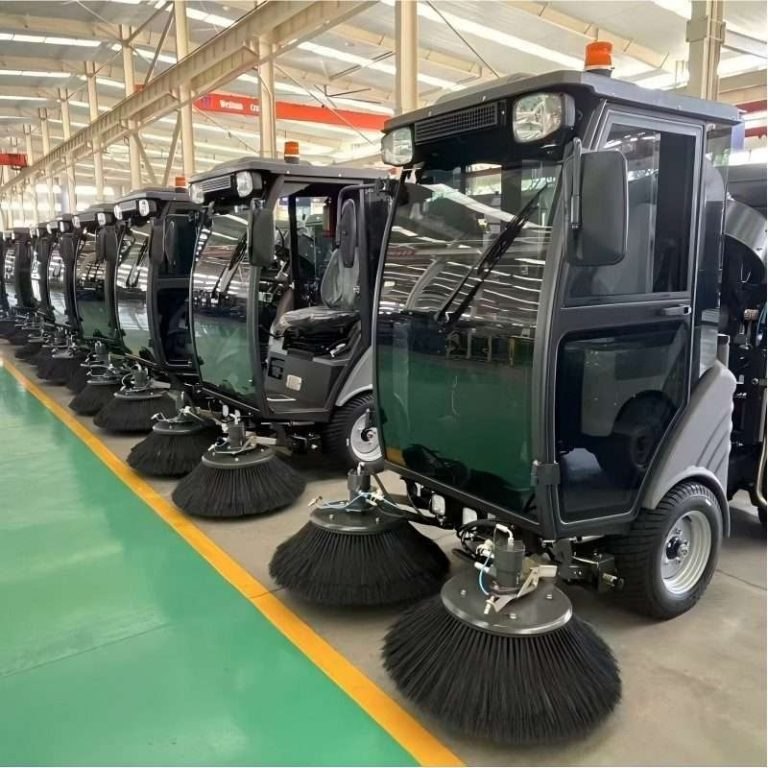
जहां कॉम्पैक्ट स्वीपर सबसे अच्छा काम करते हैं
संकरी गलियाँ और फुटपाथ
फुटपाथों और संकरी सर्विस सड़कों के लिए ऐसे उपकरणों की आवश्यकता होती है जो आसानी से मुड़ सकें और ऑपरेटरों को हर कुछ मीटर पर रुकने, पीछे हटने और स्थिति बदलने के लिए मजबूर न करें। CHR21SEV पूर्णतः विद्युतचालित स्ट्रीट स्वीपर इसी प्रकार के काम को ध्यान में रखकर बनाया गया है, जिसमें कॉम्पैक्ट बॉडी, 2.6 मीटर का टर्निंग रेडियस और 1.1 से 1.8 मीटर की स्वीपिंग चौड़ाई रेंज है। ये विशेषताएं पुराने शहरी क्षेत्रों, कैंपस सड़कों और उन स्थानों के लिए महत्वपूर्ण हैं जहां खड़ी गाड़ियां आवागमन को बाधित करती हैं।
एक छोटा स्वीपर सफाई में एकरूपता भी लाता है। ऑपरेटर धूल, हल्का कूड़ा, रेत और पत्तियां फुटपाथ से नियंत्रित तरीके से साफ कर सकते हैं और बड़े नगरपालिका उपकरणों को लाए बिना दूसरे क्षेत्र में जा सकते हैं।
पार्क, कैंपस और वाणिज्यिक क्षेत्र
सार्वजनिक स्थानों को साफ-सुथरा रखना जरूरी है, लेकिन साथ ही साथ शांत संचालन भी आवश्यक है। इलेक्ट्रिक स्ट्रीट स्वीपर उन क्षेत्रों के लिए उपयुक्त हैं जहां शोर से पैदल चलने वालों, छात्रों, निवासियों या दुकानदारों को परेशानी होती है। CHR21SEV में इस्तेमाल की गई लिथियम आयरन फॉस्फेट बैटरी प्रणाली, पारंपरिक छोटे उपयोगिता वाहनों से जुड़े धुएं और इंजन के शोर के बिना दैनिक सफाई में सहायक होती है।
750 लीटर का कचरा डिब्बा और 150 लीटर का पानी का टैंक इस मशीन को नियमित उपयोग के लिए व्यावहारिक बनाते हैं। यह शहरी इलाकों में पाए जाने वाले आम कचरे को इकट्ठा कर सकती है, साथ ही सूखे फुटपाथ, हरियाली वाले किनारों और अधिक आवाजाही वाली सतहों के आसपास धूल को नियंत्रित करने के लिए पानी का उपयोग कर सकती है।
पार्किंग स्थल और सार्वजनिक चौक
पार्किंग स्थल और चौक अक्सर खुले-खुले दिखाई देते हैं, लेकिन उनमें सफाई की कई बाधाएँ होती हैं: व्हील स्टॉप, लाइट पोल, ड्रेनेज ग्रिल, बिल्डिंग के प्रवेश द्वार और कर्ब आइलैंड। एक कॉम्पैक्ट स्वीपर इन बाधाओं के बीच बड़े ट्रक की तुलना में अधिक आसानी से काम कर सकता है। इसे कम व्यस्त समय में तैनात करना भी आसान होता है, जब लक्ष्य बिना ज्यादा जगह घेरे क्षेत्र को जल्दी से साफ करना होता है।
इलेक्ट्रिक स्ट्रीट स्वीपर को व्यावहारिक क्या बनाता है?
विद्युत सफाई उपकरण तब सबसे अधिक प्रभावी होते हैं जब उनका कार्य चक्र वातावरण के अनुकूल हो। CHR21SEV की निरंतर संचालन अवधि 6 से 8 घंटे और अधिकतम गति 18 किमी/घंटा है, जो समुदायों, पार्कों, चौकों और औद्योगिक स्थलों में दैनिक सफाई कार्यों के लिए उपयुक्त है। यह संयोजन ऑपरेटरों को निर्धारित कार्य के लिए पर्याप्त सहनशक्ति प्रदान करता है, साथ ही मशीन को सीमित स्थानों में भी आसानी से ले जाने के लिए पर्याप्त कॉम्पैक्ट रखता है।
धूल नियंत्रण एक और व्यावहारिक लाभ है। 17 एमपीए की उच्च दबाव वाली जल पंप महीन धूल को दबाने और सतह की अधिक प्रभावी सफाई में मदद करती है। वास्तविक उपयोग में, यह केवल बेहतर दिखने तक ही सीमित नहीं है; यह झाड़ू लगाने के तुरंत बाद धूल को पैदल चलने वाले रास्तों पर वापस जाने से रोकने में भी सहायक है।
सबसे अच्छे कॉम्पैक्ट स्ट्रीट स्वीपर को ऑपरेटर की सीट से इस्तेमाल करने में आसान होना चाहिए। दृश्यता, स्टीयरिंग की प्रतिक्रिया, ब्रश नियंत्रण, पानी का उपयोग और हॉपर हैंडलिंग, ये सभी रूट की गुणवत्ता को प्रभावित करते हैं। जब इन विवरणों को प्रबंधित करना आसान होता है, तो ऑपरेटर कठिन हिस्सों में जल्दबाजी करने के बजाय सही गति और ब्रश के साथ संपर्क बनाए रखने की अधिक संभावना रखते हैं।
जब बड़े आकार के कॉम्पैक्ट स्वीपर बेहतर विकल्प होते हैं
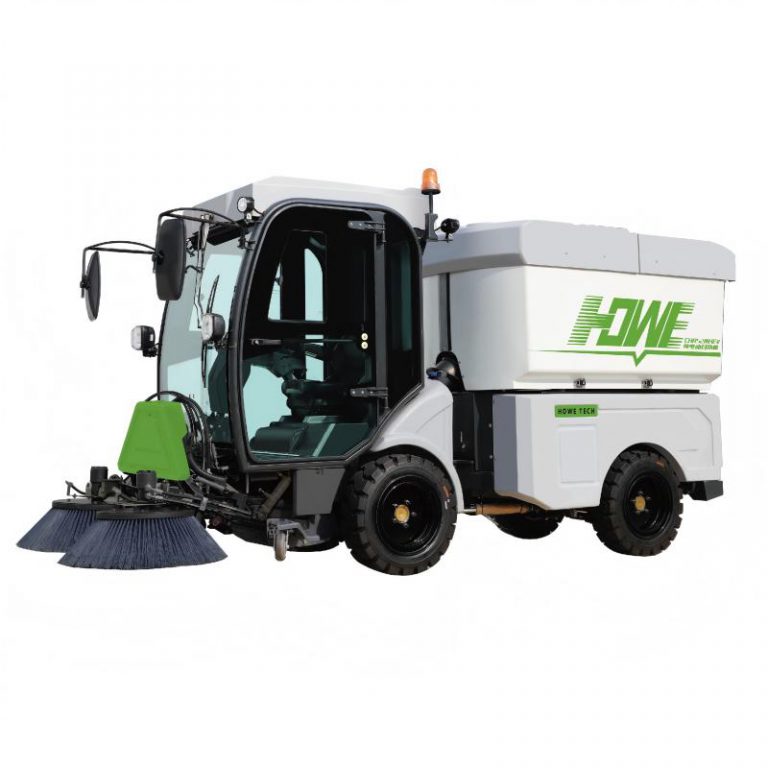
छोटे आकार के उपकरण हर नगरपालिका सड़क सफाई मशीन की जगह लेने के लिए नहीं बने हैं। कुछ मार्गों के लिए व्यापक सफाई क्षेत्र, एक मजबूत संग्रहण प्रणाली या शहरी परिस्थितियों में बदलाव के लिए अधिक लचीली मशीन की आवश्यकता होती है। यहीं पर कॉम्पैक्ट उपकरणों की आवश्यकता होती है। CHR52MHEV सभी–इलेक्ट्रिक मल्टी-फंक्शनल रोड स्वीपर यह उन छोटे बेड़े के लिए एक उपयोगी कदम साबित होता है जो अभी भी सड़क सफाई की चुस्त श्रेणी में रहना चाहते हैं।
हाइडे स्वीपर, CHR52MHEV नामक एक पूर्णतः विद्युतीकृत बहु-कार्यात्मक सड़क सफाई मशीन पेश करता है। यह उन टीमों के लिए एक कॉम्पैक्ट, पूर्णतः विद्युतीकृत विकल्प है जिन्हें बड़े ट्रक के प्रारूप में जाने के बजाय अधिक मार्ग लचीलेपन की आवश्यकता होती है। यह तब उपयुक्त है जब सफाई योजना में मिश्रित शहरी सतहें, दैनिक आधार पर बार-बार सफाई अभियान और सड़कों तथा सार्वजनिक स्थानों के बीच लगातार आवागमन शामिल हो।
जिन मार्गों पर तंग सार्वजनिक क्षेत्रों के आसपास वैक्यूम क्लीनर से सफाई की आवश्यकता होती है, उनके लिए CHR31M बहु-कार्यात्मक वैक्यूम स्ट्रीट स्वीपर यह नगरपालिकाओं को एक और कॉम्पैक्ट विकल्प प्रदान करता है। यह विशेष रूप से तब उपयोगी होता है जब काम में फुटपाथ, संकरी पहुंच वाली सड़कें, पार्क के रास्ते और अन्य स्थान शामिल हों, जहां नियंत्रित सक्शन सफाई वाहन के आकार से कहीं अधिक महत्वपूर्ण होती है।
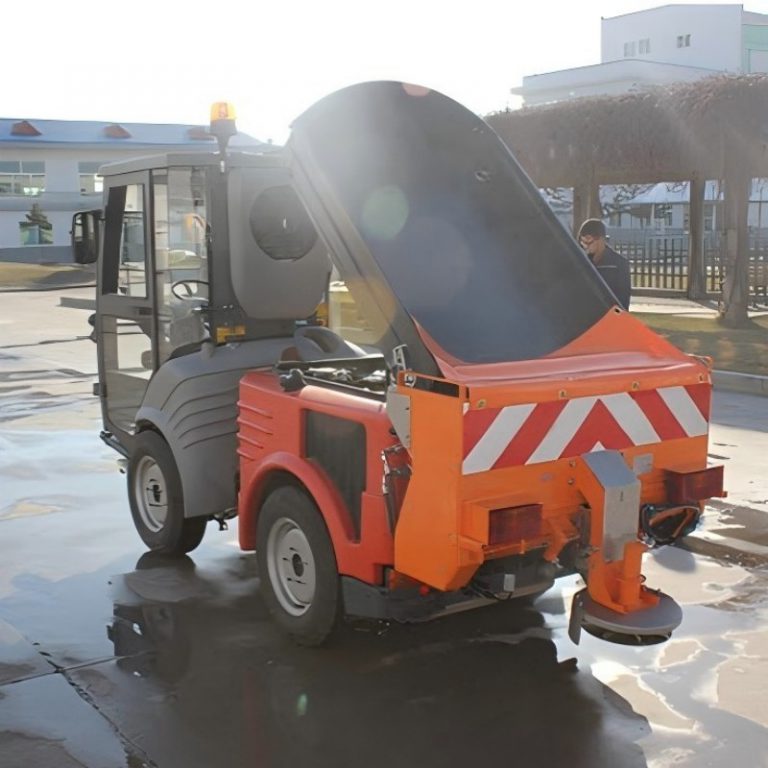
हाइडे स्वीपर विभिन्न सफाई परिदृश्यों का समर्थन कैसे करता है?
इस विषय में हाइडे स्वीपर एक मशीन-आधारित समाधान के बजाय एक संपूर्ण समाधान ब्रांड के रूप में सबसे उपयुक्त है। एक कॉम्पैक्ट इलेक्ट्रिक स्ट्रीट स्वीपर संकरे दैनिक मार्गों को आसानी से संभाल सकता है, CHR52MHEV ऑल-इलेक्ट्रिक मल्टी-फंक्शनल रोड स्वीपर बड़े कॉम्पैक्ट फ्लीट को सपोर्ट कर सकता है, और CHR31M मल्टी-फंक्शनल वैक्यूम स्ट्रीट स्वीपर वैक्यूम-चालित शहरी सफाई कार्यों को पूरा कर सकता है। मिश्रित नगरपालिका परिवेशों के लिए, यह टीमों को हर काम के लिए एक ही प्रकार की मशीन चुनने के बजाय एक व्यावहारिक विकल्प प्रदान करता है।
यह विविधता महत्वपूर्ण है क्योंकि शहर की सफाई अक्सर एक समान नहीं होती। एक जिले को सुबह के समय शांत वातावरण में फुटपाथ की सफाई की आवश्यकता हो सकती है, दूसरे को निर्माण कार्य के बाद धूल से भरी सड़कों की धुलाई की आवश्यकता हो सकती है, और तीसरे को सार्वजनिक सुविधाओं के आसपास नियमित रूप से वैक्यूम क्लीनर से सफाई की आवश्यकता हो सकती है। मशीन को रूट के अनुसार चुनने से सफाई टीमों को बड़े आकार के उपकरणों का अधिक उपयोग किए बिना बेहतर परिणाम प्राप्त करने में मदद मिलती है।
विकल्पों की तुलना करने वाले ऑपरेटरों के लिए, सबसे उपयोगी शुरुआती विकल्प एक कॉम्पैक्ट इलेक्ट्रिक स्ट्रीट स्वीपर है, और फिर रूट की आवश्यकता के अनुसार ही CHR52MHEV ऑल-इलेक्ट्रिक मल्टी-फंक्शनल रोड स्वीपर या CHR31M मल्टी-फंक्शनल वैक्यूम स्ट्रीट स्वीपर की ओर बढ़ना चाहिए। इससे निर्णय व्यावहारिक उपयोग पर आधारित रहता है, न कि हर सफाई समस्या को ट्रक की समस्या के रूप में देखने पर।
नगरपालिका के सड़क सफाईकर्मी का सही चुनाव कैसे करें
सड़क की चौड़ाई और मुड़ने की जगह से शुरुआत करें। यदि कार्यक्षेत्र में फुटपाथ, प्लाज़ा, सर्विस लेन, पार्क या आवासीय सड़कें शामिल हैं, तो पहले एक कॉम्पैक्ट स्ट्रीट स्वीपर पर विचार करना चाहिए। यदि रूट में मुख्य सड़कें, लंबी दैनिक दूरी और पानी की सहायता से भारी सफाई शामिल है, तो एक बड़ी मशीन बेहतर विकल्प हो सकती है।
इसके बाद, कचरे के प्रकार पर विचार करें। हल्की-फुल्की कूड़ा-करकट, रेत, धूल, पत्ते और सड़क किनारे का कचरा कॉम्पैक्ट स्वीपिंग के लिए आदर्श है। गीली मिट्टी, सड़क की भारी गंदगी और निर्माण अवशेषों को आमतौर पर अधिक मजबूत धुलाई और सोखने की क्षमता की आवश्यकता होती है, खासकर तूफान या सड़क निर्माण कार्य के बाद।
शोर और आवागमन पर प्रतिबंध तकनीकी क्षमता जितने ही महत्वपूर्ण हैं। बिजली से चलने वाली सफाई मशीनें उन क्षेत्रों में उपयोगी होती हैं जहाँ सुबह-सुबह या देर शाम की सफाई से निवासियों और पैदल यात्रियों को परेशानी हो सकती है। छोटे उपकरण तंग सार्वजनिक स्थानों में अस्थायी रूप से बंद करने की आवश्यकता को भी कम कर सकते हैं।
अंत में, जल क्षमता, कूड़ेदान क्षमता, घूमने की त्रिज्या, परिचालन समय और सेवा की उपलब्धता पर एक साथ विचार करें। कागज़ पर मज़बूत दिखने वाला नगरपालिका सड़क सफाई उपकरण भी खराब प्रदर्शन कर सकता है यदि उसे चलाना असुविधाजनक हो या उसका रखरखाव मुश्किल हो। हाइडे स्वीपर नगरपालिका सफाई उपकरण टीमों को वास्तविक मार्ग स्थितियों के आधार पर कॉम्पैक्ट इलेक्ट्रिक विकल्पों की तुलना करने के लिए एक व्यावहारिक शुरुआती बिंदु प्रदान करता है।
Kesimpulan
एक कॉम्पैक्ट स्ट्रीट स्वीपर शहरी क्षेत्रों में पेशेवर सफाई को संभव बनाता है, जहां आज इसकी सबसे ज्यादा जरूरत है। न केवल इसके छोटे आकार के कारण, बल्कि इसकी सुगम संचालन क्षमता, धूल नियंत्रण, शोरहीनता और दैनिक कार्यों में उच्च दक्षता के उत्तम संयोजन के कारण भी।
अन्वेषण करना हाइडे स्वीपर का कॉम्पैक्ट इलेक्ट्रिक स्ट्रीट स्वीपर अपने सफाई मार्गों को सही उपकरणों से मिलाने के लिए।
सामान्य प्रश्न
प्रश्न: कॉम्पैक्ट स्ट्रीट स्वीपर का उपयोग किस लिए किया जाता है?
ए: संकरी गलियों, फुटपाथों, बगीचों, स्कूल और विश्वविद्यालय परिसरों, आवासीय कॉलोनियों, पार्किंग स्थलों और खुले चौकों की सफाई के लिए कॉम्पैक्ट स्ट्रीट स्वीपर का उपयोग किया जाता है। छोटे स्ट्रीट स्वीपर का उपयोग धूल, पत्तों, रेत और हल्के कचरे को हटाने के लिए किया जाता है, जिसे बड़े आकार के स्ट्रीट स्वीपर द्वारा नहीं हटाया जा सकता है।
प्रश्न: क्या बिजली से चलने वाली सड़क सफाई मशीन नगरपालिका की दैनिक सफाई के लिए उपयुक्त है?
ए: जी हाँ, शहरी क्षेत्रों में कम दूरी वाले मार्गों, शोर-संवेदनशील क्षेत्रों और सार्वजनिक स्थानों की बार-बार सफाई करने जैसी स्थितियों में इलेक्ट्रिक स्ट्रीट स्वीपर का उपयोग उपयुक्त है। मार्ग के अनुसार बैटरी की क्षमता, जल क्षमता, कूड़ेदान की क्षमता और घूमने की त्रिज्या का विश्लेषण करना आवश्यक है।
प्रश्न: किसी शहर को वैक्यूम मॉडल के बजाय व्यापक कॉम्पैक्ट स्वीपर का उपयोग कब करना चाहिए?
उत्तर: सड़कों और सार्वजनिक स्थानों पर अधिक लचीली सतह को कवर करने के लिए आमतौर पर एक बड़ा कॉम्पैक्ट स्वीपर बेहतर होता है, जबकि जब सक्शन कंट्रोल को प्राथमिकता दी जाती है तो वैक्यूम मॉडल अधिक शक्तिशाली होता है। सही चुनाव मलबे के प्रकार, स्थान की कमी और रूट की स्थितियों के अनुसार मशीन को कितनी बार बदलना पड़ता है, इस पर निर्भर करता है।