The first question for a new bin cleaning service is not how fast the washer cycles. It is whether enough customers will pay for repeat cleaning on a route the crew can finish. Residential properties, commercial sites, and waste operators may all need the service, but their bins, access hours, and purchase decisions differ. A profitable bin cleaning business needs confirmed demand, workable pricing, suitable equipment, and a lawful way to collect and dispose of dirty water. List the bins and potential stops in one service area before buying a machine. Then test what a paid day would cost and earn; there is no universal startup budget or guaranteed return.
How Does a Mobile Bin Cleaning Business Work?
A mobile operator books customers, plans a route, washes bins at each stop, collects dirty water, and uses an approved disposal route. The shift also includes filling water, checking hoses and nozzles, and cleaning the machine. Service time exceeds the wash cycle in a product specification.
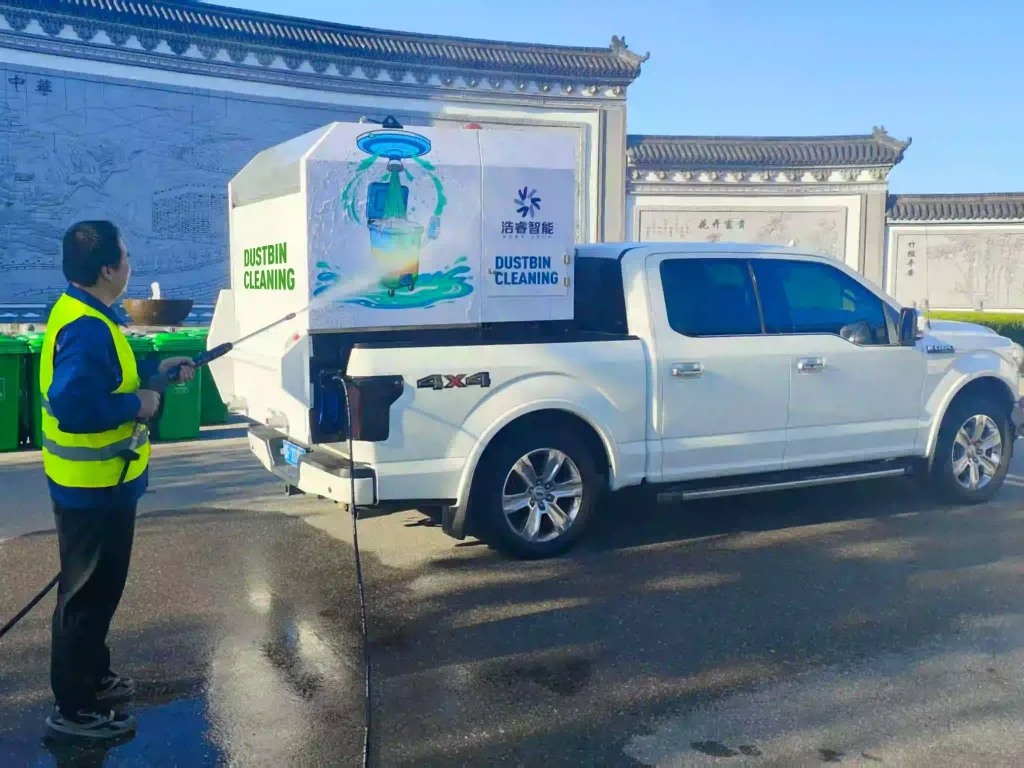
Residential contracts often involve repeat visits after waste collection, when bins are empty. Commercial sites may bring many containers to one location but require access windows or larger bins. Record the complete time per stop, including parking and moving bins. That determines realistic daily volume.
What Equipment Do You Need to Get Started?
Pickup-Mounted vs. Trailer-Mounted Bin Cleaners
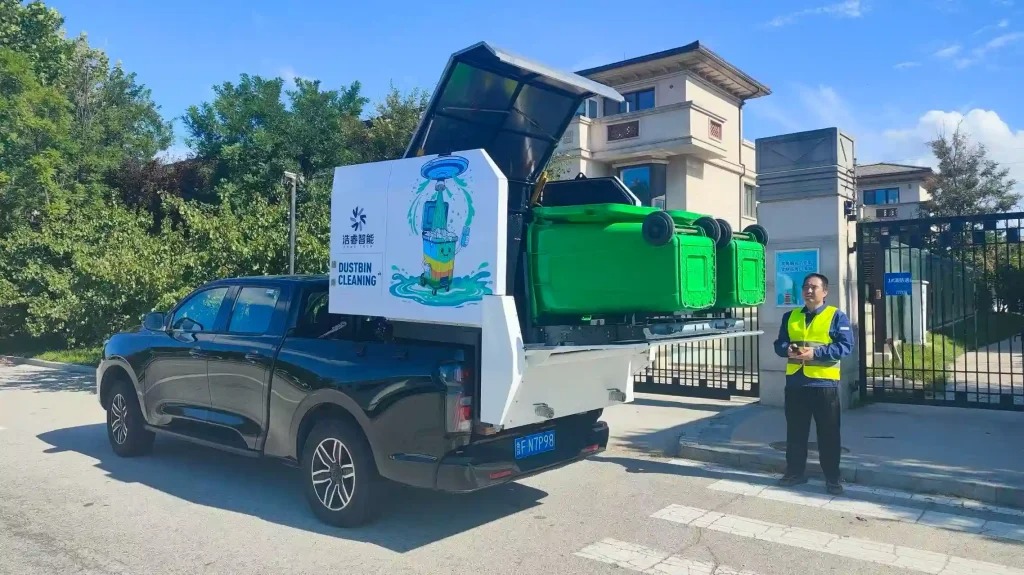
A pickup-mounted unit keeps the washing system on one vehicle and may suit dispersed stops where parking and maneuverability matter. Check the truck’s payload after accounting for the cleaner, water, fuel, tools, and crew. Bed dimensions, mounting points, axle loads, and local vehicle rules also need confirmation. Do not assume that a pickup with a nominal payload figure can carry a full water tank safely.
A trailer-mounted machine may allow use of an existing tow vehicle, but towing capacity, hitch rating, registration, parking, and access to tight sites become part of the plan. Haide’s bin washing equipment comparison describes its towed options. Confirm transport and securing requirements in the intended market.
Water Tanks, Cleaning Systems, and Wastewater Recovery
The clean-water tank limits work between refills, while the wastewater tank can become the earlier constraint. Measure water per bin in a trial and allow for variable soil. Pressure, heated water or steam, lifting method, and nozzle access affect cleaning. Verify compatibility with customers’ bin sizes and materials.
Wastewater should be captured and taken to an approved disposal point under local requirements. An enclosed chamber can reduce splashing, but it does not remove the need for safe handling and lawful disposal. Ask the supplier for a flow diagram, operating instructions, tank capacities, and the service steps required at the end of each shift.
How Much Does It Cost to Start a Bin Cleaning Business?
Build a startup budget around a specific vehicle and service area. Include the vehicle, washing unit, mounting or hitch work, registration, insurance, consumables, storage, training, and marketing. Obtain local quotations rather than applying a startup number from another country.
Then forecast monthly running costs: fuel, water, energy for heating where applicable, wastewater handling, labor, cleaning supplies, insurance, maintenance, and payment processing. Reserve money for repairs and days when the machine cannot operate. If equipment is financed, include loan or lease payments in cash-flow planning, while keeping financing separate from the unit operating-cost calculation.
Ask the relevant authority how wash water must be stored, transported, and discharged, and check vehicle weight and licensing requirements.
How Much Can a Bin Cleaning Business Earn?
Revenue equals completed paid cleanings multiplied by the actual average price collected. A residential subscription may improve repeat bookings but can involve travel between many small stops. A commercial contract can concentrate bins at one site, though it may require lower per-bin pricing, larger capacity, or restricted service hours. Compare contribution after route costs, not just gross sales.
Try a simple, hypothetical month: 30 paid bins a day, 20 working days, and $12 collected per bin. That produces $7,200 in gross revenue. The figures are examples, not a quoted market rate or earnings forecast. Fuel, labor, water, disposal, maintenance, insurance, marketing, tax, and financing still need to be paid. If scattered customers cut the day to 15 bins, the same price produces only half the revenue.
Estimate route density by counting prospects within a practical drive time, then test booked stops. Track cancellations, repeat customers, washing time, refills, disposal trips, and unpaid travel. Those records help set a price that covers the service delivered.
What Challenges Should You Prepare For?
Wastewater is an early design decision. A mobile service may need sealed collection, an approved disposal point, and records of where liquid waste goes. Confirm local rules before signing customers or purchasing equipment. Where water access is limited, plan refill points and check whether the dirty-water tank will fill first.
Demand can vary with weather, local collection patterns, and property budgets. Schedule recurring customers by area so the crew spends less time driving. Commercial sites may need work outside normal hours, so price the resulting labor realistically. A maintenance plan and access to spare nozzles, pumps, hoses, and lifting parts can reduce missed appointments when a machine fails.
Customer density is easy to overestimate. A list of interested households is different from paid, repeat bookings close enough to form a route. Start with a limited service area and measure travel minutes per completed cleaning. Expand only when the route can absorb more stops without stretching refill and disposal capacity.
How to Choose the Right Bin Cleaning Equipment Supplier
Send a supplier the bin sizes, expected bins at each stop, route length, refill point, disposal plan, and vehicle details. Ask for loaded weight, mounting requirements, tank capacities, cleaning method, maintenance documents, and parts support. If the supplier quotes only the wash cycle, ask how many bins can be completed before either tank needs attention.
The Haide CHR01QXP pickup-mounted cleaner is presented with an enclosed chamber, separate clean and wastewater tanks, and compatibility with standard 120 L and 240 L plastic bins. Its public page lists bed dimensions and minimum payload requirements. Verify the specification and loaded-vehicle calculation with Haide before selecting a pickup.
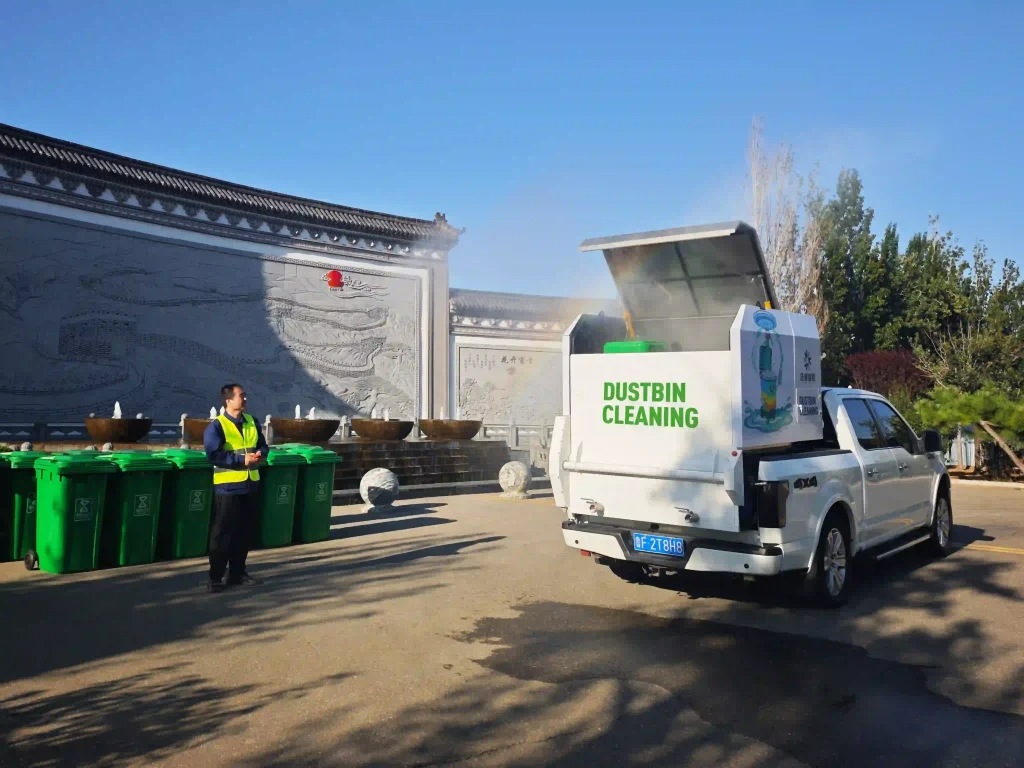
If your work includes larger bins or fixed sites, compare other equipment in the Haide dustbin cleaning. Request a configuration and quotation based on your actual bins, vehicle, daily volume, and local service conditions.
Conclusion
A profitable bin cleaning business starts with paying customers and a route that can serve them at a sustainable cost. Confirm bin sizes, local wastewater rules, stop density, and realistic daily volume before investing. Then choose a washing system that fits the vehicle and the work. Share those details with Haide Sweeper for a suitable equipment configuration and quotation, and test the numbers against a small real route before expanding.
FAQ
Q: Is a bin cleaning business profitable?
A: It can be, but no equipment purchase guarantees a margin. Profit depends on the price customers actually pay, repeat bookings, bins completed per shift, travel time, labor, disposal, and maintenance. Build a local forecast and test it with paid stops. Gross revenue is not profit, so include downtime and customer acquisition costs in the calculation.
Q: How many bins can a mobile cleaner wash per day?
A: There is no reliable universal daily number. A machine’s wash-cycle time excludes driving, parking, moving bins, refilling water, emptying wastewater, and end-of-shift maintenance. Time a representative route and multiply the completed paid cleanings by the shifts you can staff. Different bin sizes and soil levels can change the result substantially.
Q: Can you start a bin cleaning business with a pickup truck?
A: Yes, if a suitable pickup and mounted cleaner meet the vehicle’s loaded weight, bed-size, mounting, and local registration requirements. Count full clean-water and wastewater loads, fuel, tools, and passengers before checking payload and axle limits. Confirm the cleaner’s compatible bin sizes and obtain a written fit assessment from the supplier.
Q: Do mobile bin cleaning businesses need wastewater recovery systems?
A: The requirement depends on local law and the discharge route, but a mobile operator needs a practical plan for dirty wash water. Capturing it helps prevent runoff at customer sites and allows transport to an approved disposal point. Check the rules with the relevant authority and confirm tank capacity and emptying procedures before buying equipment.